











The best composting toilet in New Zealand depends on the job. WCTNZ® explains which systems suit tiny homes, baches, houses, RVs and public facilities.
Search

- Residential Toilet Solutions
- Commercial Toilet Solutions
- Recreational Vehicle (RVs) Toilets
- Camping & Temporary Toilets
- Parts & Accessories
- Consumables By Brand
- Urinals
- Grey Water Technology
- Grease Trap Technology
- Blackwater Technology
- Pump Stations
- Ozone & Hygiene Systems
- Buildings & Facilities
RSS
Blog posts tagged with 'composting toilets 101'
Incinerating toilets use heat; composting toilets use biology. WCTNZ® compares power, reliability, cost and scale for New Zealand homes, off-grid sites and commercial facilities.
20 Aug 2026 (0) Are Waterless Composting Toilets Recognised in New Zealand’s On-Site Wastewater Framework
Waterless composting toilets have a recognised place within New Zealand’s on-site wastewater standards framework alongside septic tanks and AWTS. Here is why that matters.
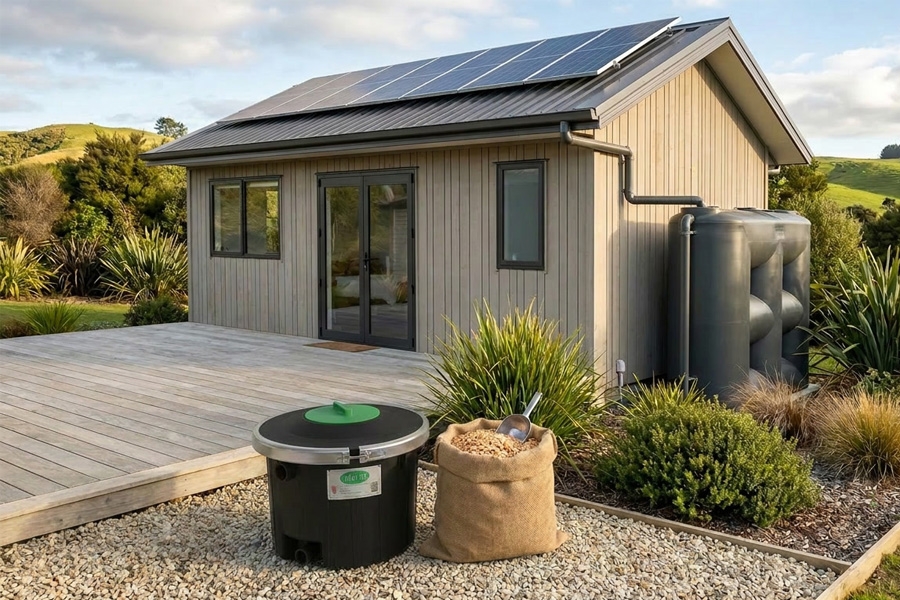
What does an off-grid toilet really cost? WCTNZ® looks beyond purchase price to water, energy, fuel, consumables, servicing, installation and long-term ownership.
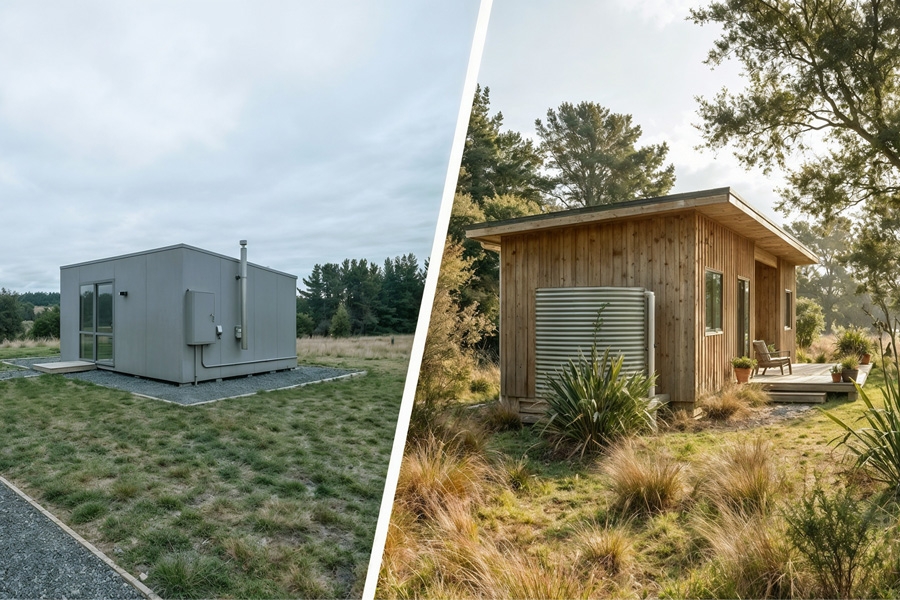
For some off-grid sites, avoiding LPG, combustion and high-temperature waste treatment is a practical design goal. WCTNZ® explains where composting can fit.
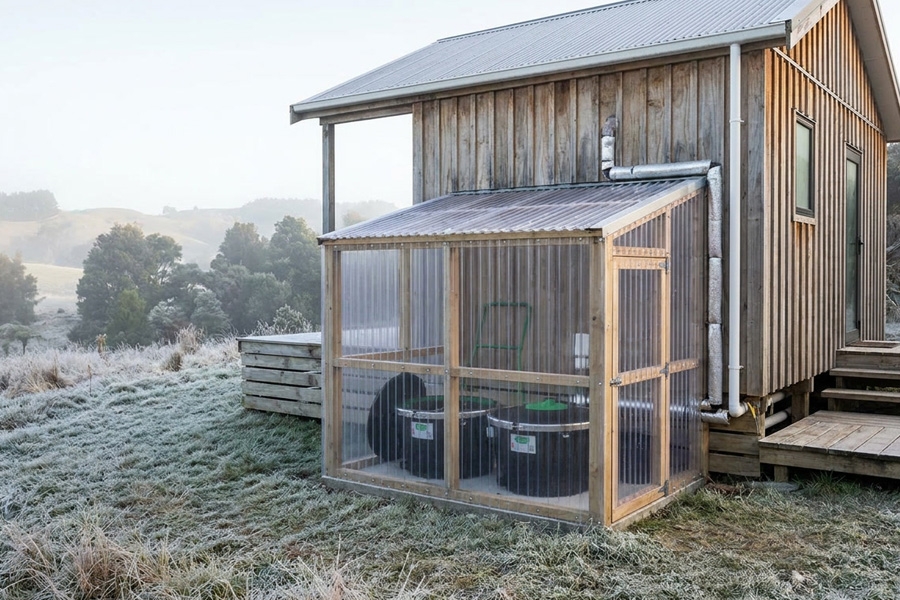
Cold weather does not automatically rule out composting toilets. WCTNZ® explains what changes in winter and why capacity, moisture and ventilation matter more. Composting Toilets 101, Off-Grid Living Solutions, Choosing a Composting Toilet
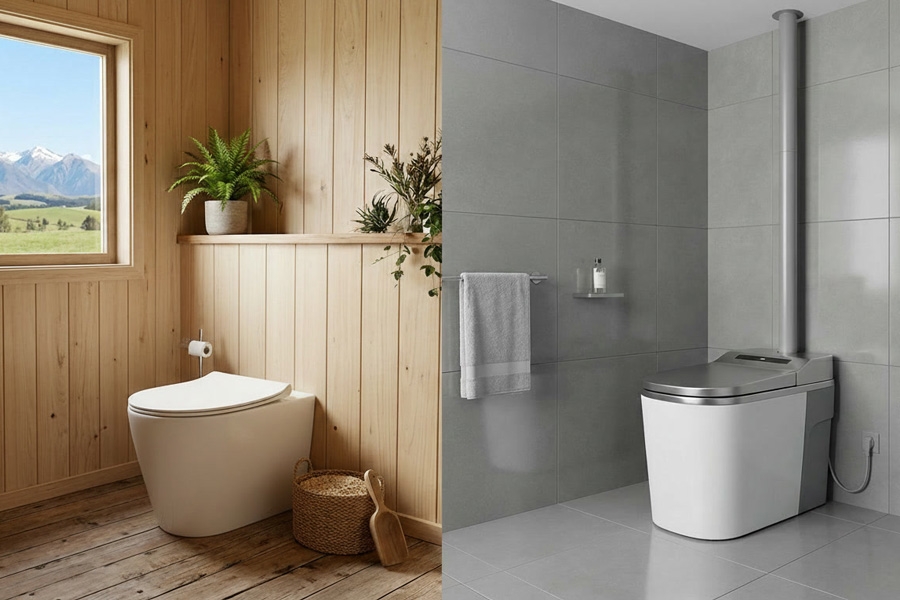
Composting and incinerating toilets are both waterless, but they solve waste very differently. WCTNZ® explains why composting is usually the stronger long-term option.

“Dry toilet” means no flush water — not dry compost. Learn how moisture, airflow, bulking material and ventilation affect composting toilet performance in New Zealand.

A question we get asked often is "how often are composting toilets emptied?" Obviously, emptying frequency is system and usage dependent, but there are average expected time frames.
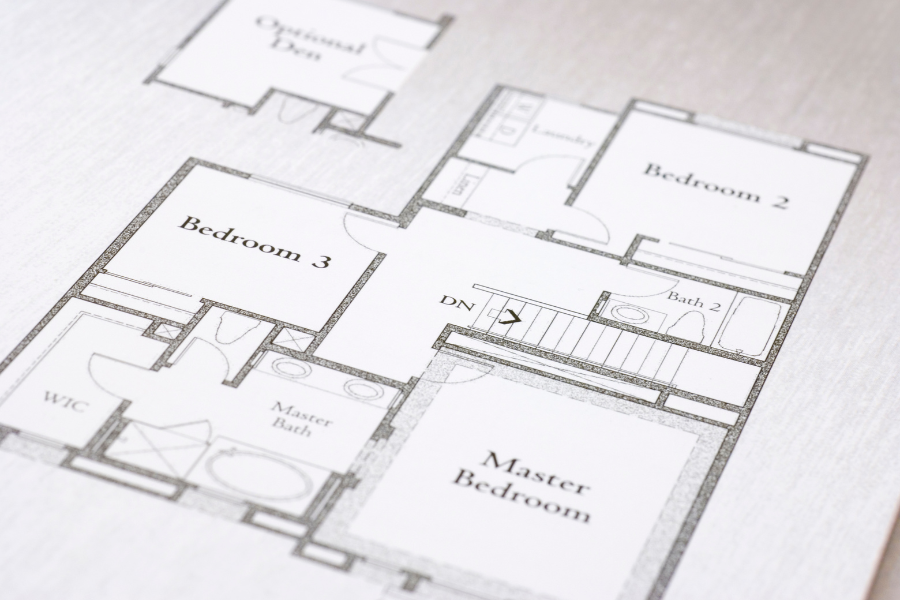
The short answer is yes. They can easily back on to division walls in proximity to the perimeter and, with the right setup, can even be placed in more central parts of the house.
Blog search
Blog archive
- 2026
- 2025
- 2024
- 2023
- 2022
- 2017
News Letters
Monthly News: Current affairs in NZ wastewater
Monthly Promotion: Special & one-off deals
Monthly The Humanist: Tips, tricks & advice on composting toilets


Customer Service
My Account
Socials