
















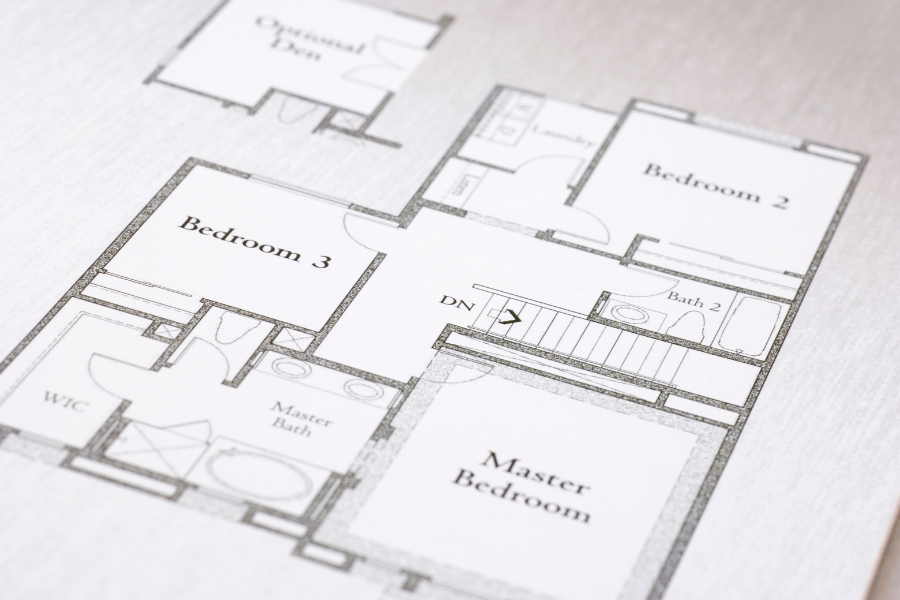
Yes—a composting toilet can be installed on an internal wall when the system, vent route, chamber position, service access and liquid-management pathway are designed together.
The outside wall is often convenient, but it is not a universal requirement. The real limitation is whether every component can be installed within the manufacturer’s permitted configuration and remain accessible for long-term servicing.
This makes early coordination important. An internal-wall location can work very well, but it should be resolved before foundations, floor framing, cabinetry and roof penetrations are fixed.
The short answer
Internal-wall installation is possible for both self-contained and split composting toilet systems.
The design must provide a compliant vent route, sufficient air supply, suitable drainage or urine containment where required, safe floor or chute penetrations, and practical access to every chamber or container.
Convenience is not the same as a rule
A perimeter wall can shorten a through-wall vent, make an external liquid connection easier and place underfloor equipment close to a service door. These advantages explain why many installation diagrams use an outside wall.
A central bathroom can still work. It may simply require a vertical roof vent, longer pipework, coordinated framing and a more deliberate service route.
Plan the vent, power and container access
An on-floor system sits within the bathroom, so the location needs enough space to use and service the unit. Internal-wall installation is often straightforward where the vent can rise vertically through the ceiling and roof.
Some systems permit a through-wall route with defined limits on bends, pipe length and fan arrangement. Do not extend or reconfigure a vent beyond the manufacturer’s instructions without technical review.
- Allow the lid, seat, drawers or containers to open fully.
- Keep the required 12V or 240V connection accessible and protected.
- Provide replacement-air movement into the room so the toilet ventilation is not starved.
- Resolve any urine hose, safety drain or excess-liquid connection before closing the floor or wall.
- Keep routine cleaning and container handling clear of cabinetry.
The pedestal can be central if the chamber remains serviceable
A split system places the pedestal above a chamber beneath or beside the building. The pedestal location therefore controls the chute position, while the chamber position controls service access, ventilation and liquid management.
A central pedestal can be suitable where the chute can drop in the permitted alignment and the chamber is accessible from a crawlspace, basement or dedicated service room. Minimum clearances vary by model; use the actual product dimensions rather than a generic 750mm rule.
Alectura example: Nature Loo™ Alectura Comfort and Premium are designed around a 500mm minimum underfloor clearance, but the building still needs enough access to move, inspect and service the chambers.
Longer vent routes need deliberate airflow design
Ventilation supports odour control, evaporation and aerobic conditions. A longer route, extra bends, wind exposure or competing room extraction can alter the pressure available at the toilet.
Use the specified pipe diameter, fan, termination and bend limits. Avoid connecting the composting toilet vent into an unrelated household exhaust duct.
For more detailed design principles, see the Passive Ventilation Design Parameters Guide and Room Ventilation and Extraction Systems Guide.
Do not create the route after the bathroom is finished
Different systems may use urine diversion, evaporation, a safety drain or an excess-liquid hose. The destination must suit the waste stream and the property.
There is no universal distance or generic soakaway detail that can be applied to every project. Site conditions, foundations, ground levels, treatment systems, regional rules and the selected product all matter.
Sanitary plumbing and drainlaying are regulated activities in New Zealand. Use appropriately authorised practitioners where the work falls within those trades.
Resolve these details before approving the location
| Question | Why it matters |
|---|---|
| Where will the vent terminate? | Controls route length, bends, roof or wall penetration and fan selection. |
| Where is the processing chamber or container serviced? | Determines crawlspace, utility-room or bathroom access. |
| How will liquids be managed? | Affects pipework, tanks, drainage and the wider wastewater design. |
| What penetrates the floor or roof? | Needs coordination with structure, waterproofing and flashings. |
| Who carries out regulated work? | Installation responsibilities should be clear before construction. |
Does a composting toilet have to sit against an outside wall?
No. An outside wall is often convenient, but internal-wall and central locations can work when the vent, chamber, service access and liquid pathway are properly designed.
Can the vent go through the roof?
Yes, for systems that permit a vertical vent. Follow the model-specific pipe diameter, termination and fan requirements.
Can a split-system pedestal be installed in the middle of the house?
Potentially, provided the chute alignment and underfloor chamber position work and the chamber remains safely accessible for servicing.
Can I simply add more pipe and another fan?
Not by assumption. Additional length, bends and fans can change airflow. Have the proposed configuration reviewed against the manufacturer’s requirements.
Check the layout before construction
Send WCTNZ® the floor plan, section, underfloor space and proposed vent route. We can help identify the system-specific constraints for the designer and installer.