















Composting toilet systems are designed around a clear operating method. The easiest path to good performance is usually to install the system correctly, follow the instructions and resist the urge to keep adding untested “improvements”.
Humanure composting is biological, but that does not make it mysterious. Capacity, airflow, moisture, carbon structure and time do most of the work when the toilet is used as intended.
The most common problems often begin when users ignore the model guidance, add the wrong materials or try to solve one symptom without understanding its cause.
The short answer
Trust the system—but operate it deliberately.
Use the specified bulking material and dose, keep the ventilation working, protect the chamber from inappropriate waste, monitor moisture and ask for help before making a major change. Not every system needs added microbes, extra water, heating or improvised chemicals.
The manufacturer has already defined the operating architecture
A composting toilet is not a generic bucket of organic material. Different systems manage urine, leachate, evaporation, mixing and resting time in different ways.
A batching chamber may require one bulking mix and rotation routine. A continuous system can have a different raking and removal pathway. A compact urine-diverting container toilet may focus on liners and external treatment rather than active composting inside the toilet.
Good advice begins with the exact model. A technique that helps one composting system can undermine another.
The biological process cannot compensate for poor building integration
Ventilation needs the specified pipe size, route, termination and fan arrangement. A split chamber needs the correct chute alignment and service clearance. Excess-liquid drainage needs an appropriate receiving pathway.
If the vent leaks, the fan is reversed, the chute is too long or the chamber cannot be serviced, no amount of additives will fix the underlying installation.
Use appropriately authorised trades for regulated work and keep the installation manual available for commissioning and future maintenance.
Bulking agent is part of the system—not an optional decoration
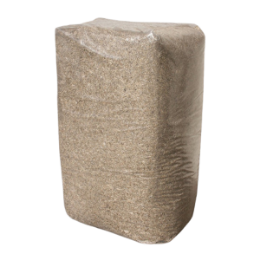
Carbon-rich bulking material can absorb excess moisture, support structure and create air spaces within the composting mass.
Wood shavings, hemp hurd, coco peat, peat moss and blended materials behave differently. The correct choice depends on the system design and local supply.
Use the WCTNZ® Bulking Agents & Dosing Guide and the manufacturer instructions. Too little can leave the mass dense and wet; too much can over-dry the system and consume chamber volume unnecessarily.
Add only what the system actually calls for
Microorganisms are naturally present in human waste and carbon materials. Some manufacturers recommend a microbial starter or periodic biological additive; others do not require one.
Where a model specifies an additive, use a compatible product at the recommended interval. WCTNZ® supplies Microbiota MicrobeBURST™ for systems and situations where additional microbial support is appropriate.
Do not keep adding products because “more biology” sounds better. Excess liquid, incompatible chemistry or an overloaded chamber still needs the real cause corrected.
The toilet is not a rubbish bin
- Allowed inputs: human waste, toilet paper and the system's approved bulking or biological products.
- Keep out: wipes, sanitary products, nappies, plastics, cigarette butts, solvents, medicines and general rubbish.
- Food scraps: use a separate food-composting system unless the toilet manufacturer expressly permits them.
- Cleaning products: use formulations compatible with the toilet and avoid concentrated toxic chemicals entering the chamber.
Foreign items can block chutes, wrap around mixers, reduce usable volume and contaminate the residual material.
Correct the balance, not the appearance alone
The composting mass generally needs to be damp and structured, not saturated and not dusty-dry.
If it is too wet, check loading, drainage, ventilation and bulking material. If it is too dry, review dosing, heaters, ventilation and use pattern before adding water.
Our Moisture Balance guide explains why “dry toilet” does not mean dry compost.
Do not chase the chamber from one extreme to the other. Small corrections to the cause are usually more effective than repeated dramatic interventions.
Protect the composting process while keeping the bathroom hygienic
Clean visible surfaces regularly using the product and method approved for the model. Avoid pouring concentrated bleach, quaternary disinfectants, solvents, strong acids or caustic drain cleaners into the system.
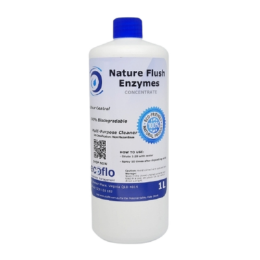
WCTNZ® recommends Nature Flush™ Enzymes for compatible composting-toilet cleaning. Use the specified dilution.
Early support is easier than recovery from a major imbalance
Contact WCTNZ® if odour persists, liquid accumulates, insects appear repeatedly, a mixer is difficult to turn, the fan fails or the chamber fills faster than expected.
Provide the model, number of users, photos of the installation and chamber, recent changes and the products being added. That information makes troubleshooting far more effective.
The goal is not to make owners afraid of their composting toilet. It is to give them enough understanding to operate a biological building system confidently.
Composting toilet operation FAQs
Should I add garden compost or soil to my composting toilet?
Only if the manufacturer specifies it. Many systems require a defined bulking material rather than random soil or compost additions.
Do all composting toilets need added microbes?
No. Microorganisms occur naturally. Some models or operating conditions benefit from a specified microbial additive; others do not require routine dosing.
Can I add more bulking material whenever the toilet smells?
Odour can come from ventilation, excess liquid, loading or installation. Bulking material may help structure, but it should not be used to hide the real cause.
What should never go into the chamber?
Keep out plastics, wipes, nappies, sanitary products, solvents, fuels, medicines and other foreign or hazardous materials.
Who should I contact if a WCTNZ® system is not performing correctly?
Use the WCTNZ® support pathway with the model, installation details, user numbers, photos and a clear description of the symptoms.
Need help with system operation?
Use WCTNZ® support with the model, occupancy, installation photos and recent operating history so the actual cause can be identified.