
















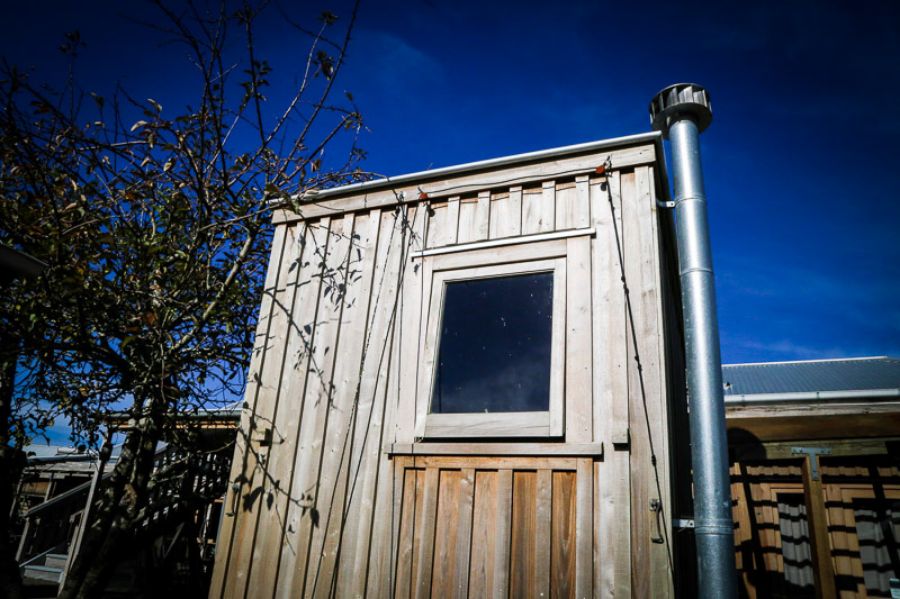
The Earthsong Eco-Neighbourhood in Ranui, Auckland, is a place that brings the ideals of sustainable living to life. Beautiful timber homes, gardens, shared spaces and a strong sense of community make it a wonderful place to explore.
In this original WCTNZ® community visit from 2017, we take a look at something particularly close to our hearts: the Clivus Multrum™ CM14 composting toilet beside the community building.

A neighbourhood built around sustainable living
At Earthsong, the homes are built with an emphasis on natural materials and thoughtful design. Solar water heating, pedestrian-friendly walkways and gardens give the neighbourhood a welcoming feel, with cars kept mainly towards the edge of the village.
The Clivus Multrum™ CM14 at Earthsong

Of course, no discussion of sustainable living would be complete without talking about how we manage our waste. Next to the community building is a Clivus Multrum™ CM14, installed in its own timber shelter. The building is elevated to make room for the composting chamber below the pedestal.
Inside, the room is truly lovely, full of natural wood. Sawdust and other plant-based cover material are part of the system's care, and on our visit the bathroom had that gentle, almost citrus-like scent of fresh wood shavings.


The CM14 pedestal looks perfectly at home in this space. It's hard to believe that below the floor, a whole community of microorganisms is hard at work breaking down the waste. The black chute also helps keep the view into the chamber out of sight, unless you deliberately look through an inspection point.
On the wall, residents and visitors are gently reminded how to use the composting toilet and look after it. It's a simple detail, but an important one when a system is shared by a whole community.


The ventilation system draws air through the toilet and up the flue. When it is operating correctly, this helps keep the bathroom comfortable and prevents chamber odours from moving back into the room.
Another clever part of the setup is the glazing beside the composting chamber. It allows sunshine to help warm the chamber, supporting biological activity, while also giving access for inspection and maintenance. Just like us, the microorganisms doing the work respond to their environment.


It's fascinating to see the material changing as it moves through the composting process. The original photographs show how much the waste can be broken down inside a continuous composting system — very different from what many people expect when they first hear the words composting toilet.
When material is removed, its condition and suitability for the next stage still need to be assessed. Looking like dark, rich soil is encouraging, but it isn't a laboratory guarantee that the output is pathogen-free. As with any composting toilet installation, safe handling and any further treatment or land use should follow the system's established management arrangements.
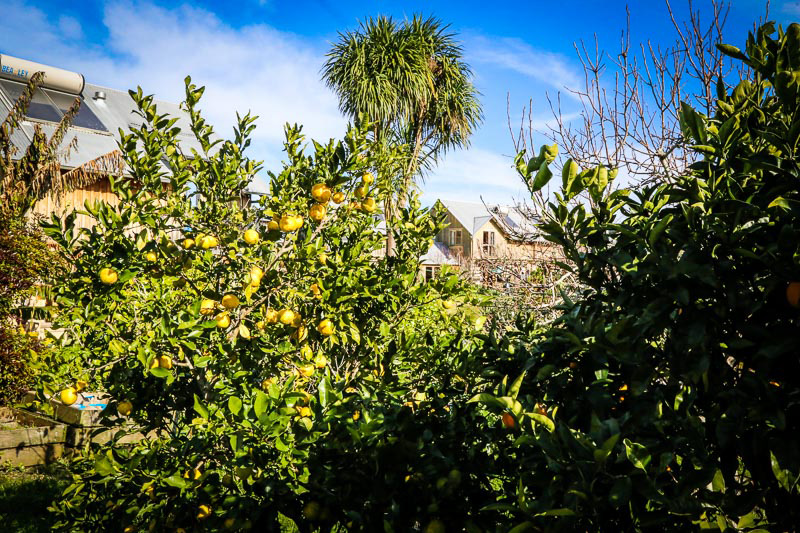

One of the things we admire most about Earthsong is the thought given to what happens after the toilet is used. The community's own published account describes material taken from the CM14 being placed in windrow compost heaps for further composting before use in non-food garden areas. That's a valuable reminder that composting and responsible handling go hand in hand.
It's so important for people to see examples of composting toilets in action in communities like this. Many people still imagine an unpleasant long-drop when they hear the term. Earthsong shows something quite different: a welcoming bathroom, a thoughtfully installed continuous composting system and a community willing to put its environmental values into practice.
And perhaps that's the best part of the story. A toilet might not be the first thing you notice when you walk into a beautiful eco-neighbourhood, but it's one more way of looking carefully at resources, waste and the land we share.