













Keeping a composting toilet clean needn't be complicated. With a suitable cleaner, a soft cloth or brush and the amount of water your model allows, you can keep the bathroom pleasant without disturbing the compost.
Waterless doesn't mean you can never use water for cleaning. Some systems allow a small bowl rinse; compact collection toilets and urine-diverting models may need a different approach. Check your manual before settling on a routine.
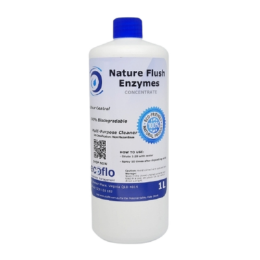
We supply Nature Flush Enzymes for suitable composting-toilet cleaning jobs. Use the current dilution instructions and check that the product suits your toilet's surfaces. Our Approved Cleaning & Treatment Products page can help you choose.
Everyday cleaning and chamber servicing are different jobs
You can clean the bathroom fixture regularly without washing out the composting chamber. Keep strong disinfectants and unnecessary rinse water out of the active compost. When you do service a chamber, collect contaminated washwater and deal with it using the method allowed for your system and site.
Toilet Seat, Lid and Pedestal
Wipe the seat, lid and outside of the pedestal with a compatible cleaner and soft cloth. Include the hinges, handles and other places people touch. If your seat is designed to come off for cleaning, follow its release instructions rather than forcing the fittings.
Avoid abrasive pads or products that could scratch plastic, damage a coating or affect seals. Dispose of used wipes and paper towels appropriately; don't assume everything you've cleaned with can go into the composting chamber.
Inside the Bowl
Apply the recommended cleaner and leave it for the time stated on the label. Loosen deposits with a suitable brush, then use a small rinse or wipe-down as your manual allows. Keep the water controlled rather than pouring a bucket into a toilet designed to manage a limited amount of liquid.
A composting-toilet washing wand can make bowl cleaning easier on a suitable installation. Have the plumbing team address its water connection and any backflow protection. For some porcelain pedestals, a manufacturer-approved surface coating may also help with cleaning; check compatibility before applying one.
Cleaning Diarrhoea
Wear protective gloves and remove visible soiling promptly, using disposable cleaning materials and your model's cleaning method. Keep splashes contained and wash your hands afterwards.
If infectious illness is suspected, follow the relevant health advice as well as a surface-cleaning procedure compatible with your toilet. An enzyme cleaner isn't a disinfectant unless its label expressly says so. Where disinfection is needed, keep that runoff separate from the active compost as directed.
Composting Tray or Chamber — On-floor Systems
Use your model's service schedule. You don't necessarily need to empty and wash the whole system every year—some toilets rely on retaining established compost. Remove only the material the instructions allow, and have the treatment or disposal arrangements ready first.
If an empty removable container is due for washing, do it in a controlled service area where you can collect the dirty water. Use the receiving arrangement allowed for that washwater. Rinsing faecal residue into a garden depression and covering it with bark isn't a suitable substitute.
Chute — Split Systems
Clean the accessible chute when your model's instructions call for it, using a suitable brush, compatible cleaner and controlled amount of water. Don't reach into the chamber or use high-pressure equipment that could spread contaminated spray.
If you can't reach the chute properly, or deposits keep returning, speak to us about the installation and your cleaning routine.
Batching Chambers — Split Systems
Let a resting batch finish its required treatment period before considering a washout. A chamber that's still processing material doesn't need to look spotless.
Once the material is ready for removal and the chamber needs cleaning, follow your model's disconnection and reassembly steps. Check the lid, seals, vent openings and liquid connections. Let it drain or dry as instructed, then restart with the correct initial material.
Continuous System Chamber — Split Systems
A continuous chamber usually keeps an active mass of compost in place. Rather than washing it out after each service, follow its inspection, levelling and removal schedule. Clean the accessible service surfaces as the instructions require.
If you spill material, collect it promptly with dedicated equipment instead of hosing it into the ground. Work around powered parts may need isolation and specialist help; keep electrical repairs separate from ordinary cleaning.
Once you have the right products and routine, keeping the toilet clean can be a normal part of looking after the bathroom. You don't need to deep-clean the working compost every time you clean the seat.
Not sure how to clean a particular part?
Call WCTNZ® on 0800 022 027 with the toilet model and the cleaner you use. We can help you check the method before you start.