












Ready to empty your composting toilet for the first time? A little preparation makes the job much easier: know where the material is going, have your equipment ready and protect yourself while you work.
Start by checking which material your system is ready to release. A batch that has completed its designed treatment period and a container of recently collected solids need different next steps. Both still call for careful handling.
Don't use an earthy smell or soil-like texture as your safety test. The name “humus” doesn't prove that the contents are free of harmful organisms. Follow the treatment and removal instructions for your model, including any testing or conditions in your site's plan.
Protective Gear
Set yourself up so you don't need to touch the contents. Have dedicated tools and suitable containers ready, cover cuts or broken skin, and keep children, pets and visitors clear of the working area.
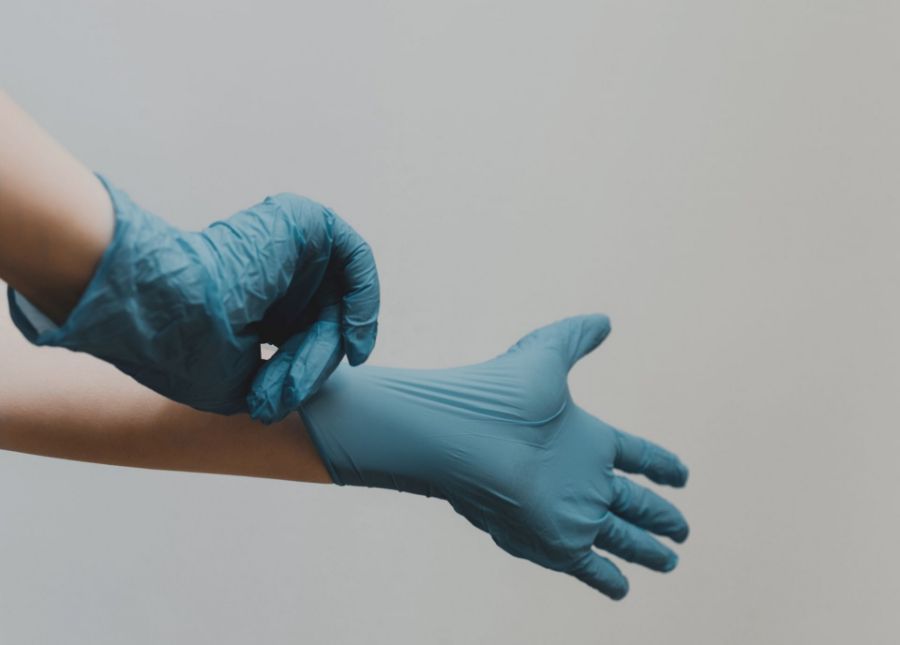
- Hands: suitable waterproof gloves that remain intact during the task.
- Clothing: protective clothing that covers exposed skin and can be cleaned separately if contaminated.
- Feet: closed, washable footwear suited to the access route and any wet surfaces.
- Eyes and face: splash protection where liquid handling could splash.
- Dust: avoid creating airborne material; use appropriate respiratory protection where the task assessment or manufacturer requires it.
Avoid creating dust or spray: don't pressure-wash, dry-sweep or drop material from a height. If the job requires respiratory protection, use the appropriate type rather than relying on a loose face covering. Never climb into a treatment chamber or tank.
Make the Removal Route Easy
Get the receiving area ready first and clear the route to it. Leave room for a trolley or lidded container, and follow the equipment's lifting limits. Handles make a chamber easier to grip; they don't necessarily mean it's safe for you to lift it alone.
With a batching system, use the specified lid, trolley and connections. Put the resting chamber in the location required by the design, protected from weather and unauthorised access. Keep any required ventilation and liquid controls working while the batch continues treating.
Remove only the material your instructions identify. For a continuous system, use the designated removal area and leave the active compost in place. For a processor, complete the required finishing stage before taking out the tray.
Hygiene
Have somewhere clean to wash your hands. While you're handling material, avoid touching your face, eating, drinking or picking up your phone.
Afterwards, clean the tools and equipment as instructed. Take off gloves without spreading contamination, then wash your hands thoroughly with soap and water. Change contaminated clothing and footwear before returning to normal household activities. Gloves help protect you during the job; handwashing is still needed when you finish.
Collect any spill without spreading it further. Keep contaminated rinse water and cleaning materials contained for the disposal method your system or site allows. Don't wash them across the garden or towards a stormwater drain.
Disposal
Use the waste-management arrangement accepted for your property. If burial is authorised, follow the instructions for the designated area. If the contents need to leave the site, arrange a facility or collection service that expressly accepts them before you start.
Don't add an ordinary garden bin as an improvised treatment stage. Any separate treatment setup needs its own documented, accepted design. Material resting in a purpose-designed batching chamber should stay within that system's operating plan.
Read What to do with Humanure before you open the chamber. That way, you're following a plan rather than deciding where to put the contents while handling them.
Prepare the destination, protect yourself, use the right tools and clean up afterwards. A clear routine helps you do the job safely and with less fuss.
Need help preparing for an emptying or chamber change?
Call WCTNZ® on 0800 022 027. Have your model details and manual handy so we can help you understand the instructions for your system.