









Composting Toilets
These avoid unnecessary flushing and manage human waste through controlled biological processes in the right application.

WCTNZ® promotes waterless systems because, in the right application, using clean water to carry or flush sanitary waste is not always the smartest way to manage it.
For us, waterless is about more than saving water alone. It is about protecting better water, reducing unnecessary dilution, and handling sanitary waste streams more intelligently from the beginning.
Different systems suit different jobs, but the key question stays the same: should clean water be used here at all?
One shared principle: use water where it adds value, but do not use it by default where a better-matched waterless system can do the job more intelligently.
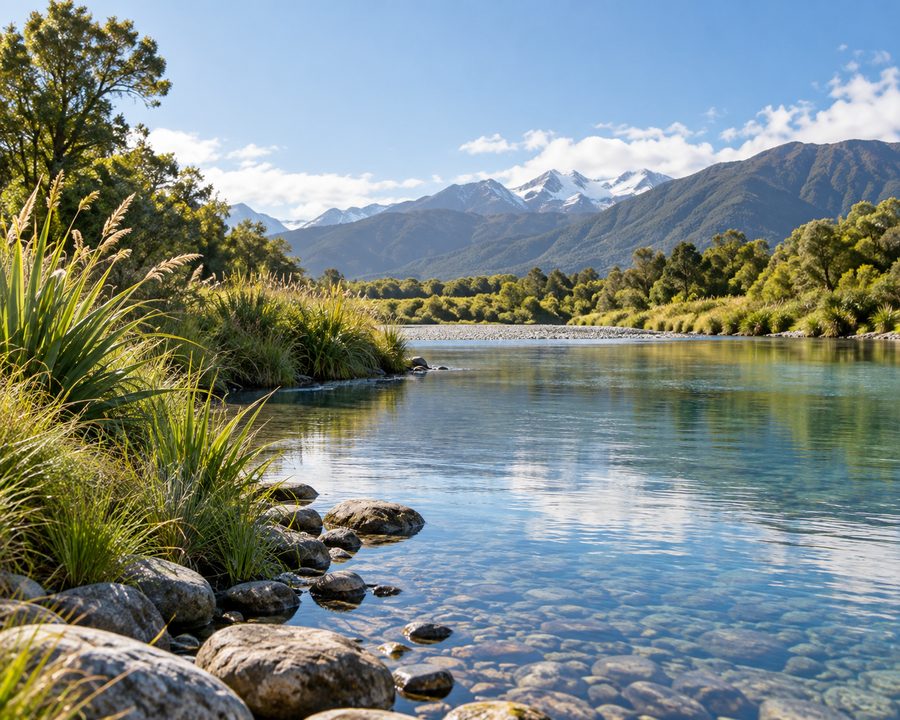
WCTNZ® takes a wider view of water, including the waterways and groundwater people do not always see.
Adding clean water to sanitary waste can create a larger downstream wastewater and effluent-management problem.
Match the right waterless system to the real site, building, user load, servicing path, and long-term outcome.
Should clean water be used by default to move sanitary waste, or is there a better-matched way to manage that stream? For WCTNZ®, that is where the real value of waterless sanitation begins.
Waterless thinking reaches beyond one product type. It helps explain why composting toilets, dry toilets, drying toilets, urine-diverting toilets, and waterfree urinals can all sit within a more intelligent sanitation approach.

When people think about waterways, they often think only about rivers, streams, lakes, and beaches. But the picture is wider than what is visible on the surface. Groundwater, wetlands, estuaries, land application, and receiving environments all form part of the same broader story.
That matters because what happens on land does not always stay on land. Wastewater outcomes, site design, and water quality are connected over time, even where those connections are not obvious at first glance.
That is why WCTNZ® does not frame waterless systems only as a convenience or an off-grid option. We also see them as part of a smarter way to think about water, land, and sanitary waste before it becomes a larger downstream issue.
Waterless thinking makes more sense when water is understood as part of a wider connected system rather than just what is visible above ground.
Waterless systems matter in New Zealand not only because water is valuable, but because the wider water picture is more connected than it first appears.
A conventional flush system uses clean water to move sanitary waste away. Once that happens, the waste stream becomes larger, more diluted, and more dependent on infrastructure for transport, treatment, storage, discharge, or land application.
That may be normal, but it is not automatically the best answer in every setting. On some properties, especially where land is sensitive, water supply is limited, infrastructure is constrained, or wastewater volumes need to be kept down, adding water to the problem at the beginning does not necessarily improve the end result.
WCTNZ®'s position is simple: use water where it adds value, but do not use it by default where a better-matched waterless path can do the job more intelligently.
This is not about saying every site should use the same system. It is about choosing the path that makes better sense for the application.
This page is not just a companion to composting toilets. It is a foundation page for the wider WCTNZ® value system. Different product types use different methods, but they can all sit within the same broader waterless logic.
These avoid unnecessary flushing and manage human waste through controlled biological processes in the right application.
These are non-flush toilet systems where water is not used as the transport mechanism for sanitary waste.
These are systems designed to dry and desiccate human waste rather than manage it as a flushed stream.
These separate urine and solids at the source to reduce moisture loading and keep the waste pathway more controlled.
These remove flushing water from a use case where it is often unnecessary, while reducing water demand and wastewater loading.
Waterless thinking is not abstract. It matters in everyday projects, commercial settings, and sensitive site conditions where water use, wastewater design, or downstream handling are real parts of the decision.
Waterless systems can make practical sense where flushing is unnecessary, infrastructure is costly, or use patterns are intermittent.
Where supply, servicing access, and wastewater design all matter, reducing unnecessary water use can be part of a better fit.
Waterfree urinals and other waterless solutions can reduce water demand while supporting robust, practical sanitation design.
Reducing unnecessary dilution can help reduce the overall volume of effluent requiring downstream handling or land application.
Water saving remains a real part of the value story. It matters where supply is limited, where infrastructure is expensive, and wherever high-quality water should not be used for a job that does not always require it.
But for WCTNZ®, saving water is not the whole story. The stronger case for waterless is that it can also reduce unnecessary dilution, support better source separation, and encourage more thoughtful sanitation design from the beginning.
So yes, waterless systems save water. But they also reflect a better logic around resource use, wastewater volume, and the protection of waterways and receiving environments.
WCTNZ® does not see waterless as a niche idea or a compromise. We see it as a serious and often more sensible design approach in the right application.
That is why we promote composting toilets, dry toilets, drying toilets, urine-diverting toilets, and waterfree urinals. Different systems suit different jobs, but the underlying thinking is the same: protect good water, avoid unnecessary dilution, and manage sanitary waste more intelligently from the start.
It is also why WCTNZ® puts such strong emphasis on proper system matching. Not every site needs the same answer. The right outcome depends on land conditions, user patterns, servicing expectations, building context, compliance requirements, and long-term practicality.
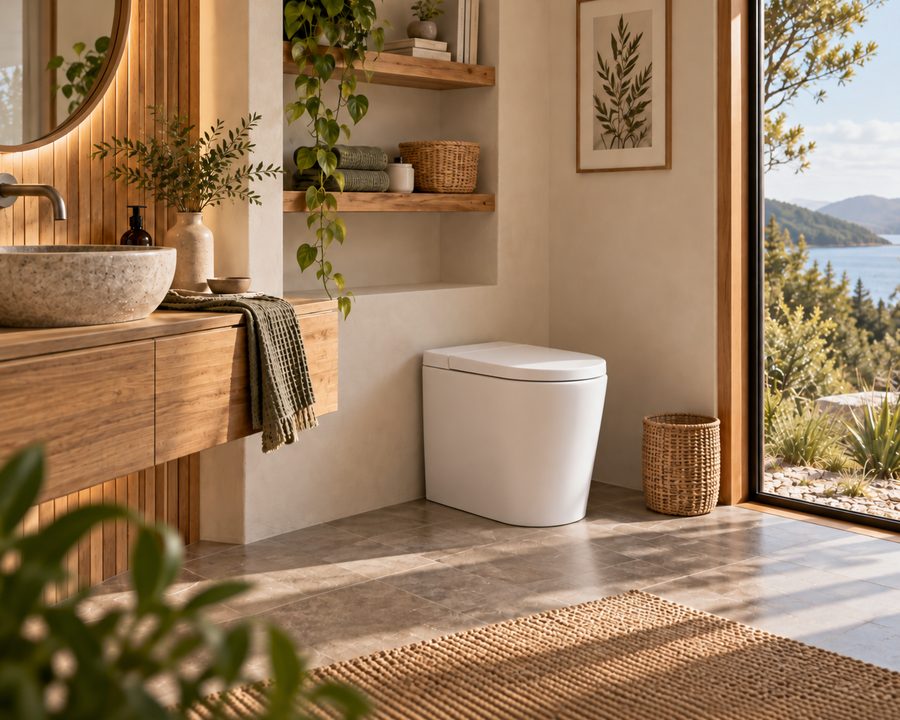
This page is designed to sit alongside the wider pages that explain the WCTNZ® approach, values, leadership, and product categories.
Whether you are looking at composting toilets, dry toilets, drying toilets, urine-diverting toilets, or waterfree urinals, WCTNZ® can help match the right system to the right application. You can also email sales@wctnz.co.nz.
Monthly News: Current affairs in NZ wastewater
Monthly Promotion: Special & one-off deals
Monthly The Humanist: Tips, tricks & advice on composting toilets